

01 · Core service
Real-world data collection
Task-based collection with real operators, objects, tools and environmental variation inside approved commercial settings.
Explore field operationsEmbodied AI data · Real-world operations
From commercial field collection and synchronized capture systems to annotation and traceable quality assurance, RoboMetrics turns real human work into model-ready data.
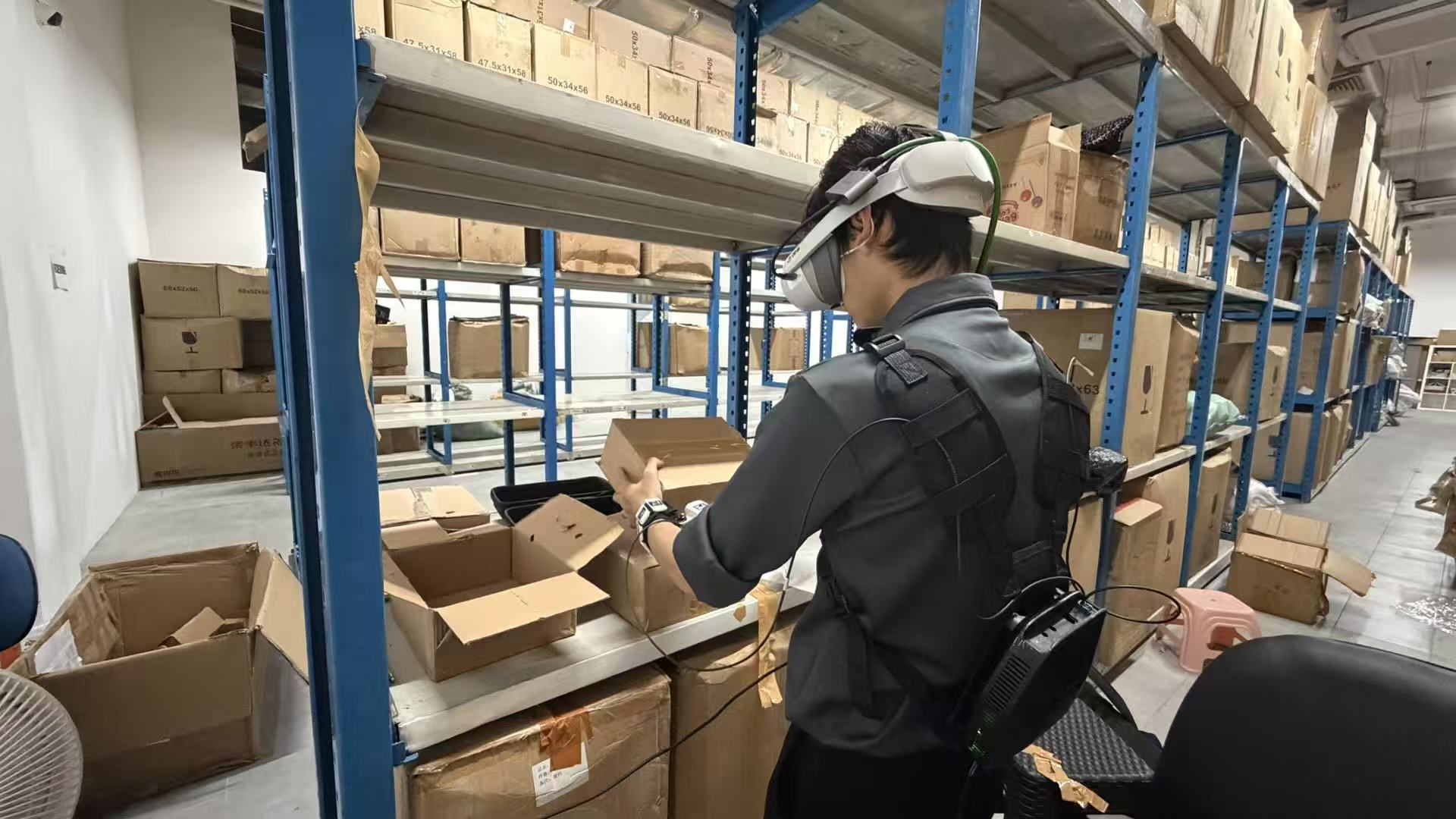
One managed data operation
RoboMetrics connects real environments, qualified operators, task-specific capture systems, annotation teams and quality controls into one data production workflow.
We do not treat collection as simply recording video. Every program begins with the capability a robot needs, then defines the task, viewpoints, signals, labels and acceptance evidence required to train it.
Capabilities
Four production capabilities available today, with a research path toward model evaluation and evaluation-guided data optimization.
01 · Core service
Task-based collection with real operators, objects, tools and environmental variation inside approved commercial settings.
Explore field operations02 · Core service
Monocular, synchronized multi-view, egocentric, depth and multimodal configurations designed around each task.
Explore capture systems03 · Core service
Documented controls before, during and after capture, with issue handling, rework and version traceability.
See the quality system04 · Core service
Task-aware labels connecting actions, objects, states, contact, outcomes and recovery behavior.
Explore annotation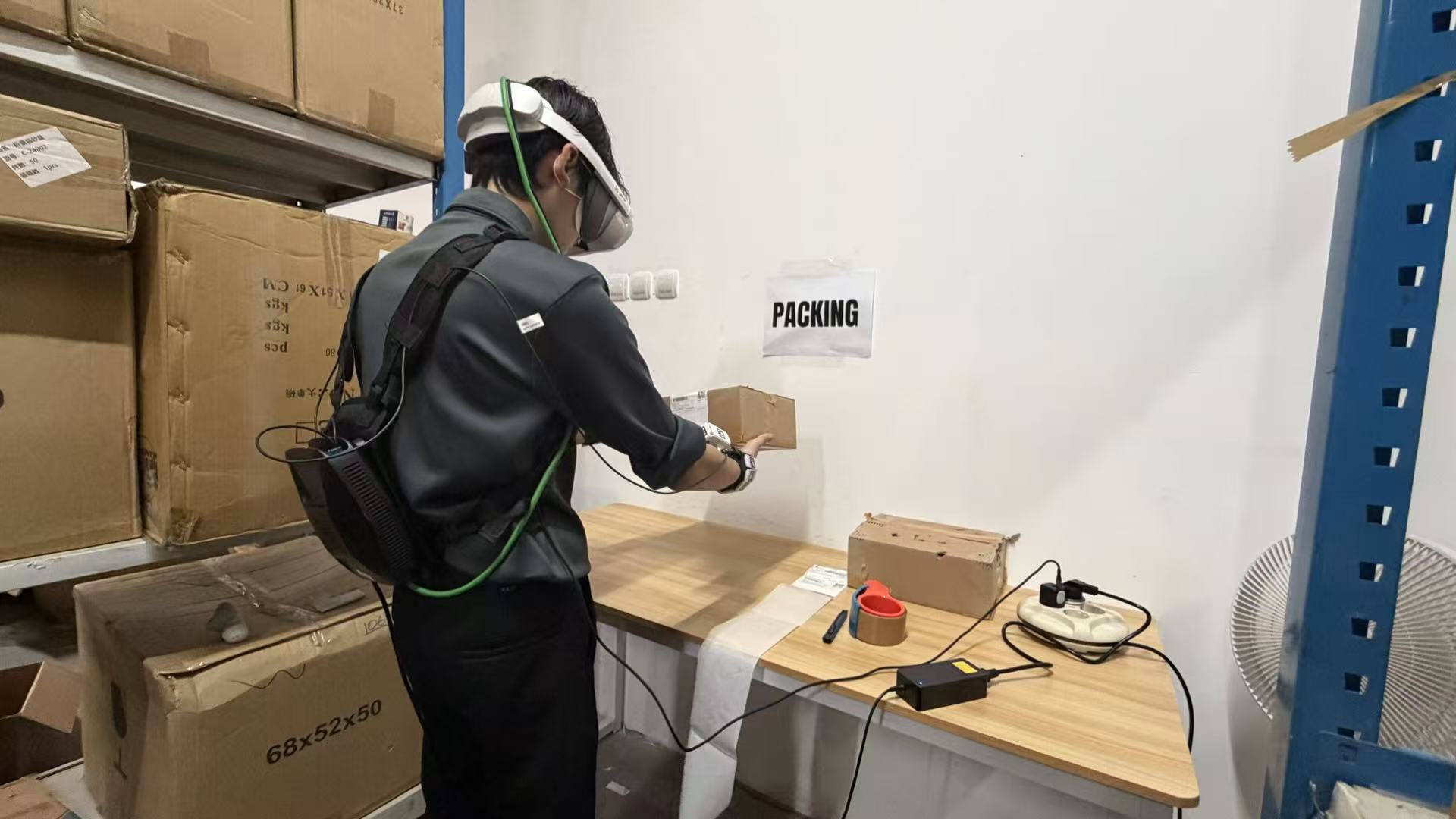 Packing task · Wearable capture
01 · Real-world collection
The data reflects the environments robots will eventually enter — including changing objects, occlusion, space constraints and imperfect conditions.
Confirm access, task value, safety, privacy and operating constraints.
Define actions, tools, variables, exceptions and acceptance conditions.
Coordinate people, devices, sessions, progress and issue recovery.
Move from a verified pilot to repeatable collection without losing traceability.
02 · Capture systems
We design and integrate synchronized capture configurations around the behavior, environment and evidence a model needs.
Single-camera scale or synchronized external views for spatial context, occlusion and coordinated movement.
Head, chest or close-range viewpoints for hand-eye coordination, tool use and fine manipulation.
Depth maps or point clouds when distance, geometry, grasping and spatial reconstruction matter.
IMU, pose, force, torque, tactile, joint, gripper and teleoperation logs aligned to the same task timeline.
Device health, calibration, timestamps, task sessions, metadata, secure transfer and data lineage.
03 · Quality assurance
A broken timestamp, missing view or wrong label can multiply training cost. Quality starts before the first frame is captured.
Delivery evidence
04 · Embodied annotation
Raw sensor records become useful when actions, objects, states and outcomes are connected to the task.
Each delivery can include an ontology, data dictionary, annotation specification, version history, coverage statement and quality report.
Field environments
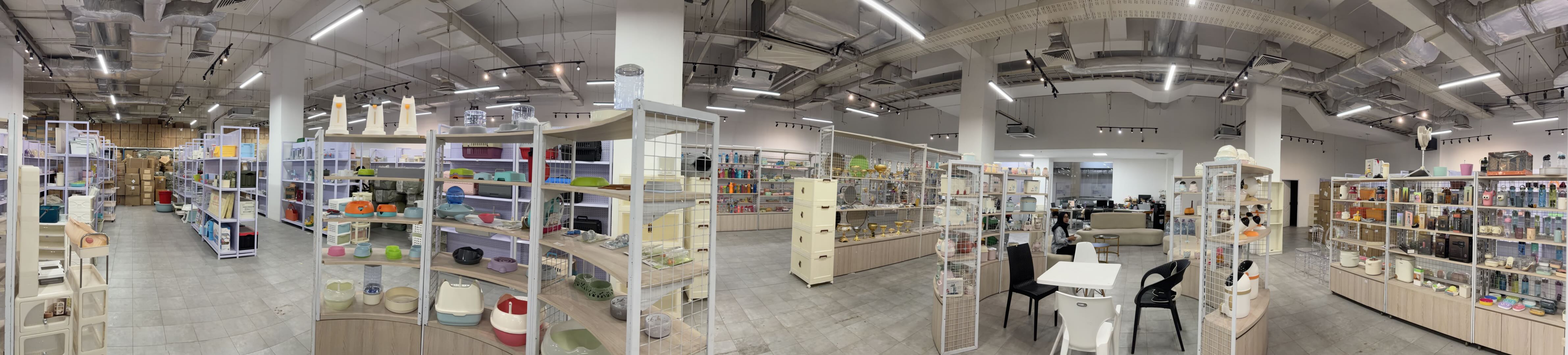
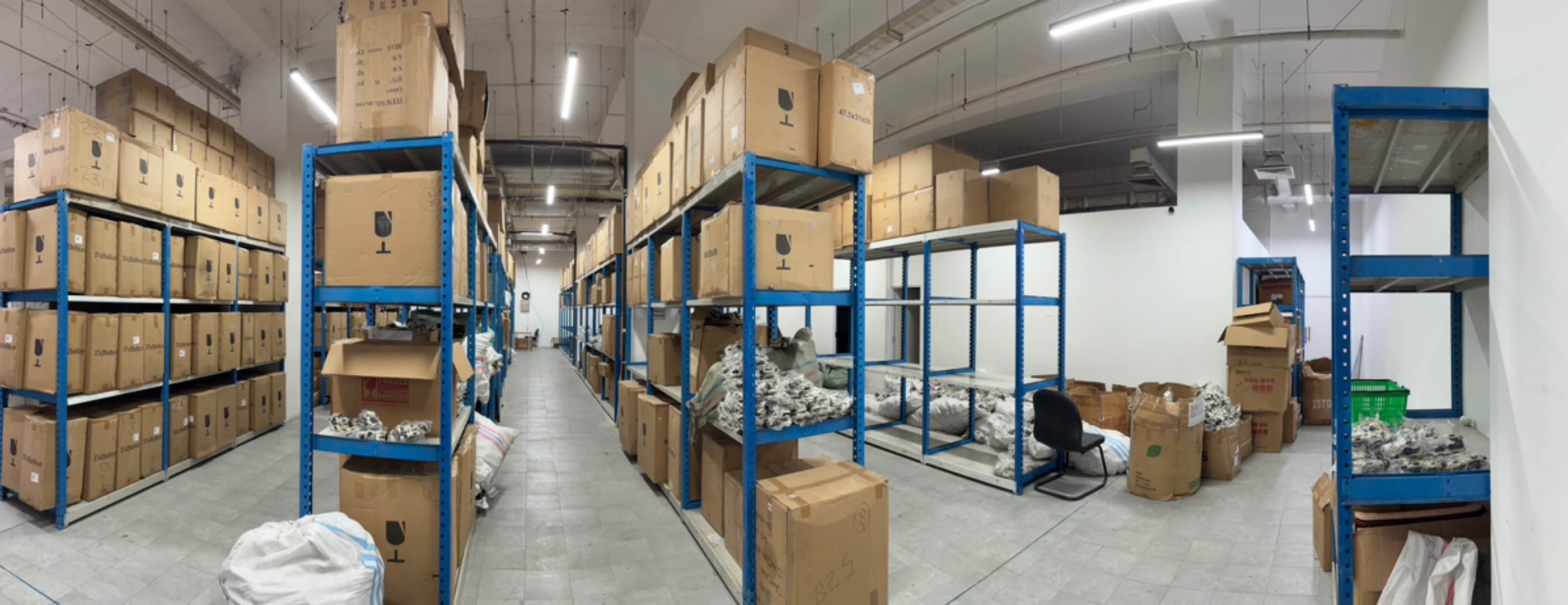
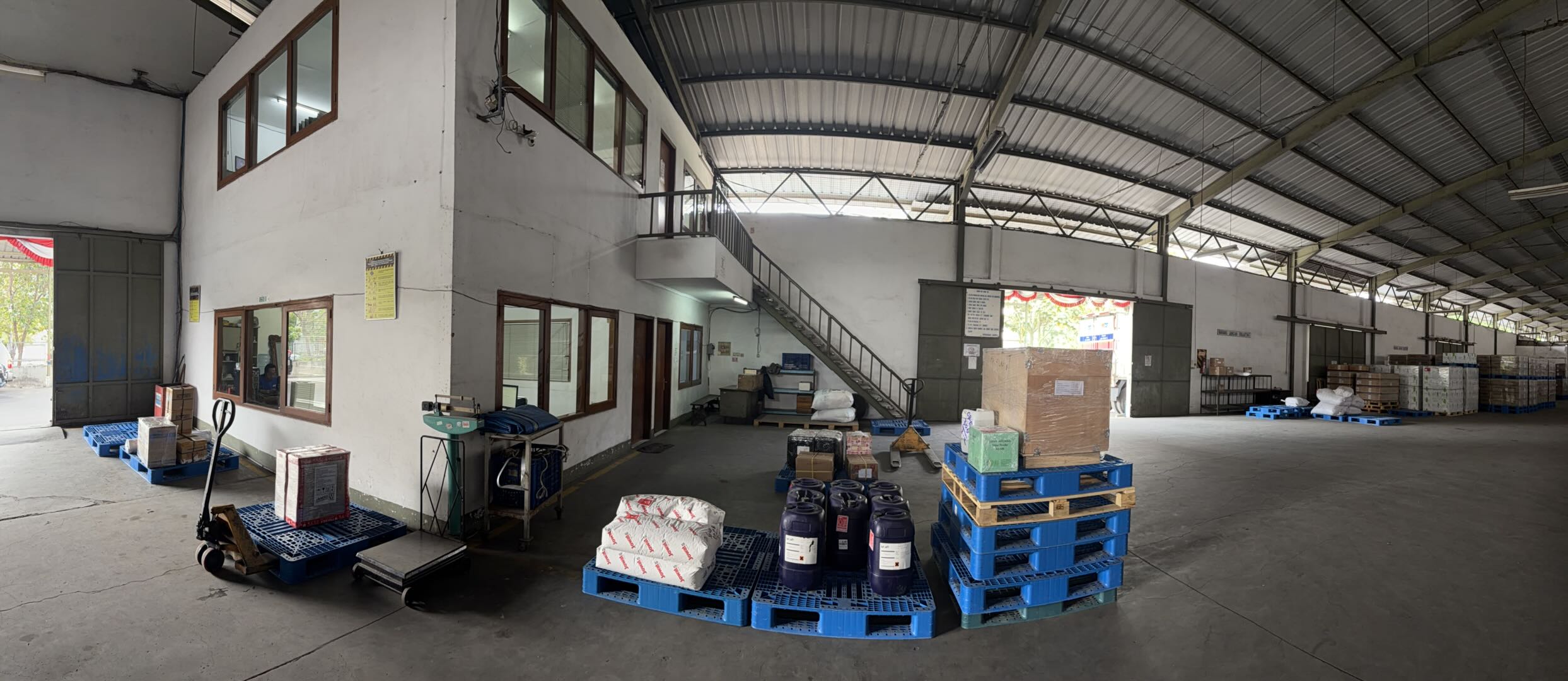
Our first field network is rooted in Indonesia, connecting diverse commercial environments with the tasks robots need to learn.
Research horizon
Our research direction connects measurable model gaps to the next data program. These capabilities are in development.
Task-based evaluation across success, precision, robustness, generalization, recovery, efficiency and safe behavior.
Map failure patterns to missing scenarios, difficult examples, sensor configurations and targeted recollection.
The larger idea
A robot learns like a professional: through real tasks, the right tools, reliable instruction, disciplined practice and measurable evaluation.
RoboMetrics brings these ingredients together as infrastructure for transferring human capability into machines.
Commercial environments
Structured task programs
Operators and experts
Capture, QA and annotation
Evaluation and learning loops
Start a program
Tell us the task, environment, sensor requirements and target data volume. We will help define a practical pilot.
contact@robometrics.ai